Are you following the Acas Code of Practice? What SMEs Need to Know About the 2027 Changes
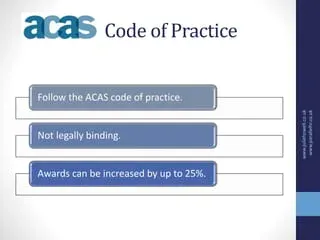
Many SMEs still don’t have a disciplinary or grievance policy — even though providing access to one is a legal requirement. When a business doesn’t have these policies in place, the Acas Code of Practice becomes the default process employers must follow to ensure fairness.
And with unfair dismissal rights now dropping to six months, following a fair and consistent process has never been more important.
Acas has now proposed major updates to the Code, expected to come into force in 2027. These changes will significantly affect how SMEs handle misconduct, performance, grievances, and workplace concerns.
Below is a simple, clear breakdown of what’s changing — and why it matters for small businesses.
Why the Acas Code Matters for SMEs
For many small businesses, HR processes evolve informally. Managers often “deal with things as they come,” especially when there’s no dedicated HR team.
But without a disciplinary or grievance policy, SMEs must follow the Acas Code. Tribunals look closely at whether employers followed the Code, and failure to do so can lead to compensation adjustments of up to 25%.
The updated Code is designed to make processes:
clearer
more accessible
more focused on early resolution
more protective of workers’ rights
This means SMEs will need to tighten their approach — even if they don’t have formal policies in place.
The Key Changes to the Acas Code of Practice (2027)
Here are the proposed updates, explained simply and succinctly.
1. Informal steps first
Employers and workers must show what informal actions were taken before starting a formal process. This includes conversations, early interventions, or attempts to resolve the issue quickly.
2. The Code now covers “workers”
It no longer applies only to employees. This widens the scope and increases expectations for SMEs using casual staff, contractors, or zero‑hours workers.
3. Language becomes softer and clearer
Terms like “allegations” shift to “concerns,” and duties are clearly labelled as:
must
should
good practice
This helps SMEs understand what is legally required versus recommended.
4. Mediation becomes an expected option
Employers must consider and offer mediation or facilitated conversations where appropriate. This supports early resolution and reduces escalation.
5. Stricter suspension rules
Suspension must be:
justified
kept short
regularly reviewed
It is no longer treated as a neutral act.
6. Stronger equality and accessibility duties
Employers must consider:
reasonable adjustments
interpreters
support workers at every stage of the process.
7. Clearer guidance on linked processes
The Code explains when to pause a disciplinary because of a grievance, and when both can run together.
8. Updated SOSR guidance
Especially around criminal charges and whether they affect job suitability.
What This Means for SMEs
These changes mean SMEs will need to:
document informal steps
consider mediation earlier
review suspension decisions more carefully
ensure accessibility and adjustments
follow clearer, more structured processes
Even without formal policies, SMEs must still follow the Code — and the updated version will expect more consistency and fairness.
Final Thought
If your business doesn’t have a disciplinary or grievance policy, now is the time to put one in place. The updated Acas Code of Practice will raise expectations, and SMEs who prepare early will be in a much stronger position.
